The Fascination with Celebrity Look-Alikes
The concept of celebrity look-alikes has captivated people for generations. The idea that we might resemble a famous person, be it an actor, musician, or athlete, is both intriguing and entertaining. This fascination transcends mere curiosity; it taps into our identities and our desire to connect with iconic figures. Today, with advancements in technology, discovering our celebrity twins has become more accessible than ever, leading to a cultural phenomenon that merges social media, entertainment, and technology.
For those who want to dive deeper into this engaging topic, celebrities look alike can provide comprehensive insights into tools and apps that help individuals find their celebrity doppelgangers.
What Are Celebrity Look-Alikes?
Celebrity look-alikes are individuals who bear a striking resemblance to well-known figures in popular culture. This resemblance can be due to similar facial features, hairstyles, or even expressions. The phenomenon of look-alikes can range from ordinary people who share uncanny features with famous personalities to professional impersonators who take their craft to the extreme. With the rise of social media, many users take to platforms like Instagram and TikTok, not just to show off their looks but to highlight these uncanny resemblances.
Why People Love Finding Their Celebrity Twins
The allure of discovering one’s celebrity twin is multifaceted. For many, it offers a sense of validation or a moment of fame. The notion that a person might resemble a celebrated figure can boost self-esteem and encourage a celebration of individuality. Moreover, sharing these resemblances on social media platforms adds a layer of interaction, allowing users to create a community around shared experiences. This social currency often leads to viral challenges, such as “find your celebrity look-alike,” where users post side-by-side images of themselves with their celebrity counterparts.
Exploring the Psychology Behind Look-Alikes
Psychologically, the affinity towards look-alikes can be traced to fundamental aspects of human nature. We often seek validation from others, and realizing that we resemble someone acknowledged and celebrated can enhance self-perception. This phenomenon can also be connected to the concept of parasocial relationships, where individuals develop emotional connections with celebrities. The more we see these familiar faces, the stronger our attachment can become, and finding someone who looks like them can intensify that bond.
How Technology Helps You Discover Your Celebrity Twin
Technology has revolutionized the way we perceive and interact with the concept of celebrity look-alikes. With added convenience, users can easily discover their likeness to famous personalities using various tools and applications designed for this purpose.
The Role of AI in Celebrity Look-Alike Detection
Artificial intelligence has significantly impacted the identification of celebrity look-alikes. Utilizing advanced algorithms and vast databases of celebrity images, AI technologies analyze facial structures, features, and even expressions. Neural network models, in particular, are trained to detect similarities based on thousands of data points, making the results not only accurate but also astonishingly quick. This rapid analysis allows users to upload a photo and receive their look-alike results almost instantaneously.
Popular Apps to Find Your Celebrity Resemblance
Among the many apps available for identifying look-alikes, a few stand out for their functionality and user-friendly interfaces. Applications like "StarByFace" and "Celebs Like Me" are particularly popular. They employ sophisticated facial recognition technologies to compare user images against a diverse array of celebrity photos. Users simply upload a picture, and the app generates a list of celebrities they resemble, often with entertaining percentages to reflect the match quality.
Real-World Impact of This Technology
Beyond entertainment, the technology facilitating these comparisons has broader implications for various industries. In marketing, for instance, brands leverage celebrity look-alikes to enhance their advertising strategies, creating a relatable connection with potential customers. Furthermore, social media influencers often utilize celebrity resemblances to increase engagement, thereby driving more traffic to their platforms. This symbiotic relationship between technology and celebrity culture continues to evolve, creating exciting opportunities for interaction and engagement.
Celebrating Celebrity Look-Alikes in Popular Culture
The fascination with celebrity look-alikes extends into popular culture, often becoming a topic of humor, admiration, and occasionally, deep analysis. Media representation of these look-alikes can significantly influence public perception and trends.
Iconic Celebrity Look-Alikes: Famous Pairings
Throughout history, there have been numerous iconic pairings that highlight the look-alike phenomenon. For example, Zoe Saldaña and Thandiwe Newton often spark conversations among fans due to their striking similarities. Similarly, the resemblance between Amy Adams and Jessica Chastain has led to humorous comparisons in media outlets and social forums, showcasing how these similarities can bridge conversations in unexpected ways.
Media Representation of Look-Alikes
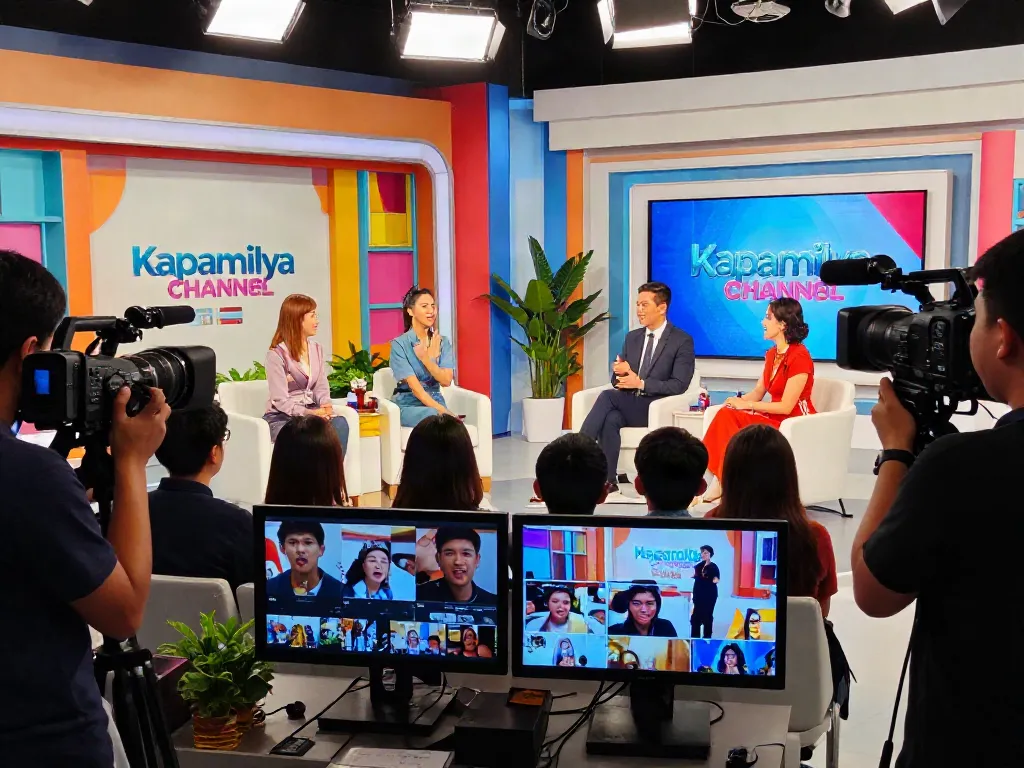
Media outlets frequently explore the notion of celebrity doppelgangers, often featuring articles and segments documenting these uncanny resemblances. Such features not only entertain but also serve as a means of social commentary on beauty standards, celebrity culture, and identity. By discussing celebrity look-alikes, media can illuminate how societal perceptions of beauty and fame can shape individual experiences and societal norms.
Social Media Trends Surrounding Look-Alikes
Social media has played a crucial role in amplifying the look-alike trend. Platforms like TikTok and Instagram host various challenges and filters that encourage users to discover their celebrity resemblances. The sharing of these images creates a sense of community among participants, fostering connections through shared experiences. Furthermore, the viral nature of these trends often leads to influencers and celebrities joining in, further enhancing engagement and visibility.
Participating in Look-Alike Events and Contests
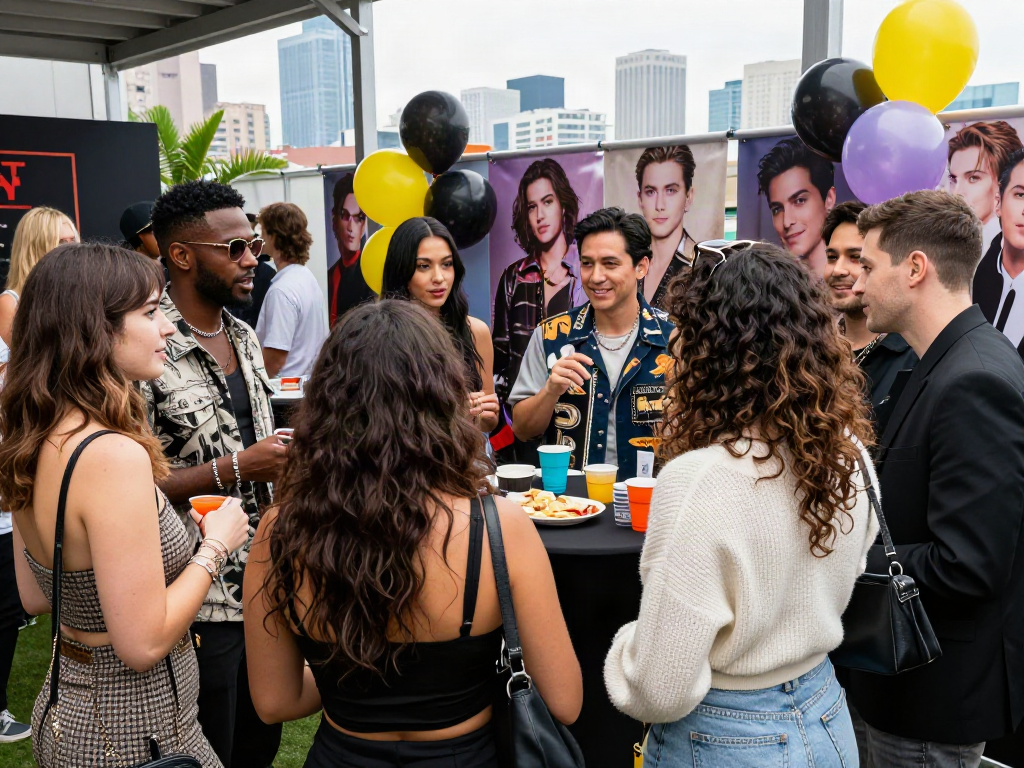
Celebrity look-alike events and contests have grown in popularity, offering participants a chance to celebrate their likenesses in a fun, communal atmosphere. These gatherings often attract individuals of all ages, creating an inclusive environment to share experiences and foster relationships.
How to Host a Celebrity Look-Alike Party
Hosting a celebrity look-alike party can be an exciting endeavor. To get started, choose a venue that is spacious enough to accommodate guests. Encourage attendees to dress up as their celebrity twins or wear outfits inspired by their favorite stars. Incorporate games and activities, such as a look-alike contest, where participants can strut their resemblance on a makeshift runway. Such events not only provide entertainment but also promote creativity and self-expression.
Spotlighting Successful Look-Alike Contests
Successful look-alike contests often create buzz within communities, showcasing not just the participants but also the creativity involved. For example, events like the annual “National Look-Alike Contest” spotlight how individuals can embrace their similarities to famous figures and celebrate their uniqueness in a fun and engaging way. Contests like these not only promote camaraderie but also amplify local culture, drawing crowds and attention to nearby businesses.
Engaging Your Community Through Look-Alike Events
Community engagement through look-alike events can strengthen social ties and foster unity. By organizing local contests, residents can come together in a genuine celebration of identity and creativity. Such events often encourage participation from various demographics, bridging generational gaps and creating a multi-faceted platform for expression.
The Future of Celebrity Look-Alikes: 2026 and Beyond
As we look toward the future, the landscape of celebrity look-alikes is poised for evolution in numerous exciting ways. With rapid advancements in technology and shifting societal perspectives, the role of look-alikes is set to expand further.
Predictions for Celebrity Look-Alike Trends
The emergence of new technologies will likely lead to the development of more sophisticated apps and platforms for discovering celebrity look-alikes. As AI continues to advance, users can expect even more personalized results, enhancing the overall experience. Additionally, the integration of augmented reality may allow users to see themselves alongside celebrities in interactive ways, deepening their engagement with the content.
Emerging Technologies in Facial Recognition
Continued advancements in facial recognition technology promise to refine the accuracy of look-alike detection. As algorithms improve, the nuances of facial features will be better understood, offering users a richer experience. This technology could also be applied within entertainment, allowing filmmakers to create new narratives that feature look-alikes in amusing and engaging plots.
Societal Shifts in Perspective on Celebrity Culture
As society evolves, so too does the perception of celebrity culture. The increasing democratization of fame through social media and the rise of influencers represent a shift in how we view celebrity. Individuals are now seeing their peers gaining recognition, often resembling these famous figures. This new landscape will likely contribute to changing notions of identity, beauty, and the concept of fame itself, making the exploration of look-alikes an ever-relevant topic.