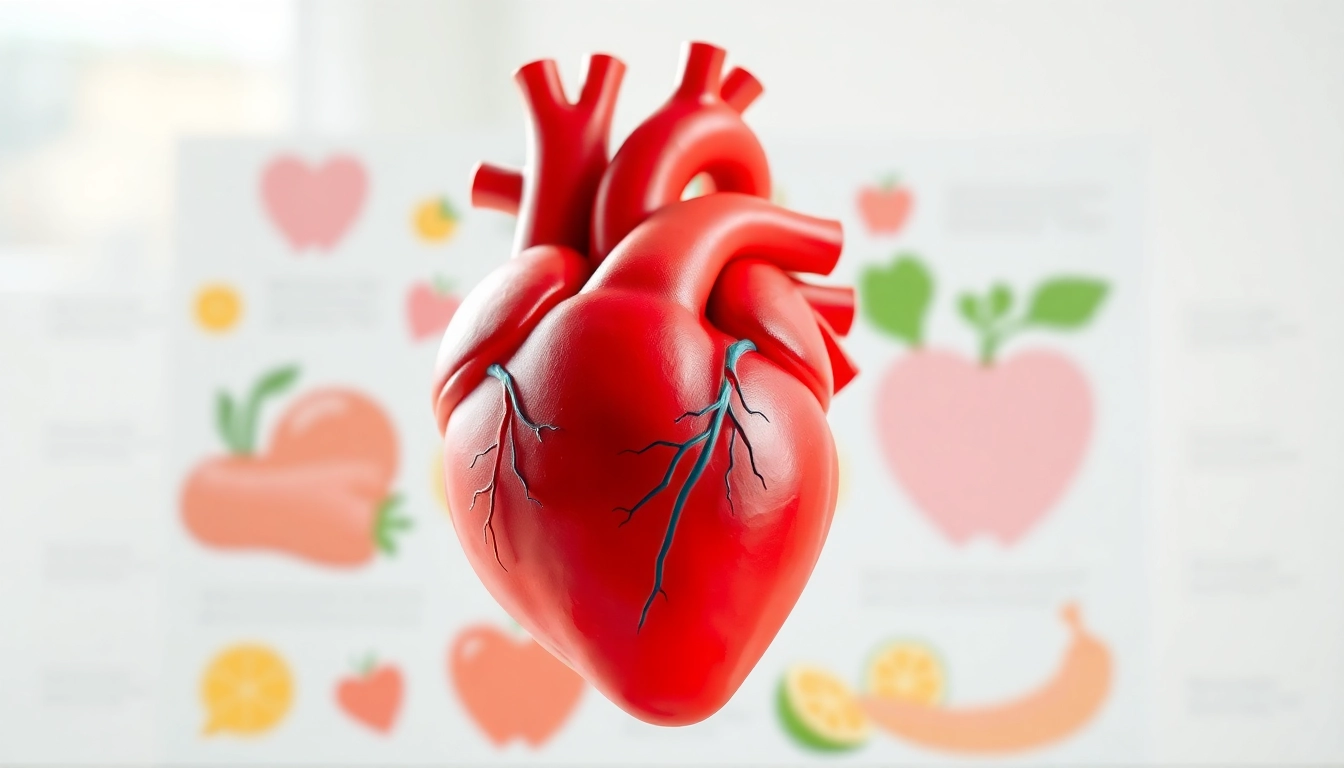
Understanding Heart Health
The Importance of a Healthy Heart
Your heart is an essential organ that pumps blood throughout your body, delivering oxygen and nutrients while removing waste products. Maintaining heart health is crucial not only for overall physical well-being but also for mental health and quality of life. Poor heart health can lead to cardiovascular diseases, which are among the leading causes of death worldwide. Therefore, adopting Heart Health Tips is fundamental for a longer, healthier life.
Common Heart Diseases
Heart diseases can manifest in various forms, ranging from coronary artery disease to heart failure. Understanding these conditions can empower individuals to take preventive measures. Common types include:
- Coronary Artery Disease (CAD): Characterized by the buildup of plaque in the coronary arteries, leading to reduced blood flow.
- Heart Attack: Occurs when blood flow to a part of the heart is blocked, often by a clot.
- Heart Failure: A condition where the heart can't pump blood efficiently, leading to fatigue and fluid retention.
- Arrhythmia: Irregular heartbeat rhythms which can range from harmless to life-threatening.
Risk Factors for Heart Problems
Identifying and managing risk factors is key to preventing heart disease. Major risks include:
- High Blood Pressure: Often dubbed the 'silent killer', it can damage arteries over time.
- High Cholesterol: Can lead to plaque formation in arteries, increasing heart attack risk.
- Diabetes: Increases damage to blood vessels and nerves that control the heart.
- Obesity: Excess weight can contribute to conditions that strain the heart.
- Smoking: Harms blood vessels and decreases oxygen in the blood.
Heart Health Tips: Nutritional Guidelines
Heart-Healthy Foods
A heart-healthy diet focuses on nutrient-dense foods. Key components to include are:
- Fruits and Vegetables: Rich in vitamins, minerals, and antioxidants. Aim for a variety of colors.
- Whole Grains: Foods like brown rice, whole-wheat bread, and oats are excellent fiber sources.
- Lean Proteins: Incorporate fish, chicken, legumes, and nuts while limiting red meat.
- Healthy Fats: Opt for unsaturated fats found in olive oil and avocados over saturated and trans fats.
Portion Control and Meal Planning
Understanding portion sizes is essential to avoid overeating. Simple strategies include:
- Use smaller plates to help control portions.
- Plan meals ahead of time to incorporate a variety of food groups.
- Practice mindful eating by savoring each bite and avoiding distractions while eating.
Hydration and Its Role
Staying hydrated promotes overall health and aids in maintaining cardiovascular function. Aim for at least 8 cups of water a day, adjusting based on activity levels and climate. Limit sugary and caffeinated beverages, as these may contribute to cardiovascular issues.
Heart Health Tips: Physical Activity
Recommended Exercise Regimens
Regular physical activity strengthens the heart and improves circulation. The American Heart Association recommends at least:
- 150 minutes of moderate aerobic exercise per week or
- 75 minutes of vigorous exercise, plus strength training on two days.
Examples of efficient exercises include walking, swimming, cycling, and strength training.
Incorporating Activity into Daily Life
Finding ways to incorporate movement into your daily routine can significantly impact your heart health. Consider:
- Taking the stairs instead of the elevator.
- Parks for walking meetings.
- Setting reminders to stand and stretch every hour if you have a sedentary job.
Staying Motivated to Move
Setting achievable goals can enhance motivation. Join exercise classes, plan physical activities with friends, or track your progress using apps to celebrate milestones. Keeping the experience enjoyable can make maintaining a routine easier.
Heart Health Tips: Lifestyle Choices
Quitting Smoking and Avoiding Tobacco
Tobacco use is a major risk factor for heart disease. Quitting smoking can improve heart health substantially. Seek support through programs, medications, or counseling to increase your chances of success.
Managing Alcohol Consumption
Moderation is crucial regarding alcohol intake. While some studies suggest small amounts of alcohol may benefit heart health, excessive consumption can lead to high blood pressure and weight gain. Follow guidelines that suggest up to one drink per day for women and two for men.
Stress Management Techniques
Chronic stress can negatively impact heart health. Implementing stress management techniques such as:
- Meditation and mindfulness exercises.
- Regular physical activity that you enjoy.
- Deep breathing exercises and yoga can be highly beneficial.
Monitoring and Maintaining Heart Health
Regular Health Check-ups
Routine check-ups can catch potential heart issues early. Discuss with healthcare providers your family history, lifestyle, and any existing conditions to tailor a monitoring plan that fits your needs. Regular screenings for blood pressure, cholesterol, and glucose levels are essential.
Understanding Health Metrics
Learn to read your health metrics, including blood pressure readings, cholesterol levels, and body mass index (BMI). Understanding these numbers can empower you to make informed decisions regarding your heart health.
How to Track Your Progress
Keeping a diary or using health tracking apps can help you monitor lifestyle changes. Recording food, exercise, and health metrics over time can provide insights into what works best and motivate you towards your goals.
FAQs about Heart Health Tips
What foods are good for heart health?
Foods rich in omega-3 fatty acids (like salmon), whole grains, fruits, vegetables, and nuts promote heart health. Incorporate a variety of these foods into your diet.
How much exercise is recommended for heart health?
Aim for at least 150 minutes of moderate aerobic activity or 75 minutes of vigorous activity each week, plus strength training on two days.
Can stress affect heart health?
Yes, chronic stress can lead to high blood pressure and unhealthy habits like overeating or smoking, impacting overall heart health.
What are common signs of heart disease?
Common signs include chest pain, shortness of breath, fatigue, and irregular heartbeat. If you experience these symptoms, seek medical attention promptly.
How often should I get my heart checked?
It’s recommended to have regular check-ups annually or biannually, depending on your health risk factors and doctor's advice.