
Understanding the Role of a Manhattan Construction Manager
The role of a Manhattan Construction Manager is pivotal in the complex ecosystem of construction projects, particularly in urban environments like Manhattan. A successful construction manager must juggle numerous responsibilities, from planning and budgeting to execution and oversight. The multifaceted nature of this role requires not only technical knowledge but also an understanding of leadership dynamics and stakeholder relations.
Key Responsibilities of a Manhattan Construction Manager
A Manhattan Construction Manager undertakes a variety of critical responsibilities that ensure projects are completed on time, within budget, and to the required quality standards. Among these responsibilities are:
- Project Planning: Developing detailed project plans outlining objectives, timelines, resources, and budgets.
- Resource Allocation: Overseeing the allocation of resources including labor, materials, and equipment to optimize efficiency.
- Compliance Management: Ensuring all construction activities comply with local regulations, safety standards, and environmental concerns.
- Quality Control: Implementing quality control measures to ensure that all work meets the specified standards and is completed to satisfaction.
- Stakeholder Communication: Maintaining clear communication with clients, architects, subcontractors, and suppliers throughout the project lifecycle.
Importance of Leadership Skills in Construction Management
Leadership skills are vital for a Manhattan Construction Manager, as they must guide teams of diverse professionals and motivate them to work together towards common goals. Effective leadership encompasses:
- Vision Setting: Articulating the project vision and goals to inspire and align the team.
- Conflict Resolution: Addressing disputes and challenges promptly to maintain a positive work environment.
- Team Development: Fostering an atmosphere of collaboration by providing training and career development opportunities.
- Decision Making: Making informed decisions quickly in high-pressure situations while considering the long-term implications.
Impact on Project Delivery and Quality Control
The effectiveness of a Manhattan Construction Manager directly correlates with project delivery and overall quality control. By implementing robust processes and quality assurance practices, the construction manager can minimize errors and rework, which can significantly impact the project’s timeline and budget. A dedicated focus on quality control not only leads to a successful project outcome but also enhances reputation and trust with clients and stakeholders.
Best Practices for Successful Construction Management
To excel in the role of a Manhattan Construction Manager, adopting best practices can significantly enhance project outcomes. Here are some imperative strategies:
Creating Comprehensive Project Plans
Successful projects begin with well-defined project plans. This involves:
- Defining Scope: Clearly outline the project scope, deliverables, and any specific challenges that might arise.
- Timeline Development: Creating a realistic timeline that includes milestones, deadlines, and contingencies for unforeseen delays.
- Budgeting: Establishing a detailed budget that covers all aspects of the project while allowing for flexibility in case of changes.
- Risk Assessment: Identifying potential risks early on and creating a contingency plan to mitigate their impact.
Efficient Budgeting and Cost Management Strategies
Budget management is crucial in construction projects. Strategies to maintain budget control include:
- Cost Estimation: Utilizing historical data and industry standards for accurate cost estimates during the initial phases.
- Regular Monitoring: Establishing a system for tracking expenses and identifying variances from the budget on an ongoing basis.
- Change Order Management: Developing a formal process for handling changes, ensuring that any adjustments to the scope are documented and approved to avoid disputes.
- Negotiation Skills: Cultivating strong relationships with vendors and subcontractors can lead to better pricing and terms, ultimately saving costs.
Building Strong Relationships with Stakeholders
High-performing construction managers prioritize building robust relationships with all stakeholders involved in the project. This includes:
- Regular Updates: Providing stakeholders with regular updates on progress and any issues encountered to maintain transparency.
- Feedback Mechanisms: Implementing systems for receiving feedback from clients and team members to continuously improve processes.
- Collaboration Platforms: Utilizing technology and platforms that foster collaboration among all project members to streamline communication.
Navigating Challenges as a Manhattan Construction Manager
Every construction project presents unique challenges. Navigating these successfully is part of the job description of a Manhattan Construction Manager. Here’s how to manage common hurdles:
Addressing Cost Overruns and Delays
Cost overruns and delays can derail a project. To manage these risks:
- Proactive Scheduling: Develop a realistic schedule that accounts for potential delays due to weather, material availability, or labor issues.
- Monitoring Tools: Utilize project management tools that allow real-time tracking of project progress and spending.
- Flexible Planning: Being prepared to adapt plans based on performance and conditions can help mitigate impacts of overruns or delays.
Managing Risk and Compliance in Urban Projects
Urban construction brings about specific compliance and risk management challenges. Key strategies include:
- Regulatory Knowledge: Staying informed about local regulations, zoning laws, and construction codes is crucial to maintaining compliance.
- Safety Plans: Implementing comprehensive safety management plans can lower the risk of accidents and associated costs.
- Insurance Coverage: Ensuring adequate insurance can help manage risk and protect against unforeseen liabilities in urban settings.
Technology and Tools to Enhance Project Management
Leveraging technology can significantly enhance project management effectiveness. Useful tools include:
- Project Management Software: Tools like BIM (Building Information Modeling) and PM software improve planning and collaboration.
- Mobile Apps: Real-time mobile communication tools enhance coordination among teams, ensuring that everyone is aligned.
- Data Analytics: Using analytics to forecast potential issues based on project data can lead to improved decision-making.
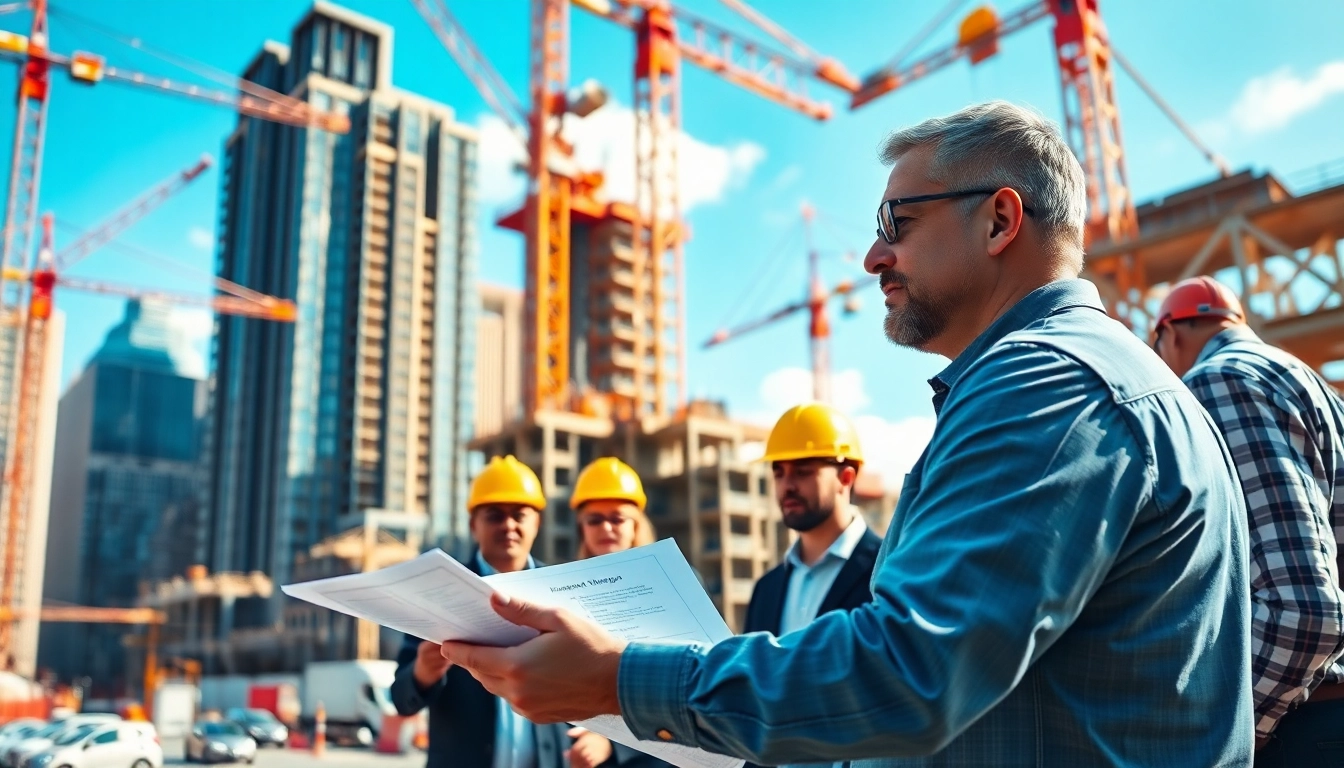
Skills Development for Aspiring Manhattan Construction Managers
For those aspiring to become successful Manhattan Construction Managers, continuous skill development is essential. Some key areas to focus on include:
Essential Certifications and Training Programs
Certifications can offer valuable credentials that enhance a construction manager's skills. Notable programs include:
- Project Management Professional (PMP): This certification is highly regarded and covers essential project management principles.
- Certified Construction Manager (CCM): Focused specifically on the construction industry, this certification validates expertise in construction project management.
- OSHA Safety Certification: Knowledge of safety standards is vital for managing construction sites effectively.
Networking and Mentorship Opportunities in the Industry
Building a professional network can provide valuable insights and opportunities. Ways to network include:
- Industry Events: Participating in trade shows and seminars can connect aspiring managers with industry leaders.
- Professional Associations: Joining organizations dedicated to construction management could provide access to training and best practices.
- Mentorship Programs: Seeking mentors within the industry can offer guidance and enhance professional growth.
Staying Updated with Construction Trends and Regulations
Keeping pace with the construction industry's evolving trends and regulations is crucial. This involves:
- Continuing Education: Regularly engaging in courses and workshops to learn about new technologies and regulatory changes.
- Industry Publications: Subscribing to construction industry journals and online resources to stay informed about the latest trends.
- Networking with Peers: Joining conversations within professional networks can provide insights into emerging best practices and technologies.
FAQs on the Role of a Manhattan Construction Manager
What qualifications do I need to become a Manhattan Construction Manager?
A bachelor's degree in construction management or a related field, alongside relevant experience, is generally required.
What are the common challenges faced by Manhattan Construction Managers?
Common challenges include budget overruns, project delays, compliance issues, and managing diverse teams effectively.
How does a Manhattan Construction Manager ensure quality control?
They conduct regular inspections, implement quality audits, and establish robust quality standards from project initiation.
What technologies are important for a Manhattan Construction Manager?
Key technologies include project management software, Building Information Modeling (BIM), and communication apps for real-time updates.
What are the typical salary expectations for a Manhattan Construction Manager?
As of recent data, the average annual salary for a Manhattan Construction Manager is around $110,000, varying with experience.