Understanding the Importance of Cultural Events
Cultural events play a vital role in enriching communities and fostering social bonds. These gatherings are not merely about entertainment; they serve as platforms for the celebration of heritage, the sharing of ideas, and the promotion of local artistry. In the case of Bretagne, which boasts a rich cultural tapestry, initiatives like those organized by เกมสล็อต have become essential for preserving and showcasing the region’s unique identity. As we delve into the many dimensions of cultural events, we will explore their significance, the intricacies of their organization, and their impact on community engagement.
What Are Cultural Events?
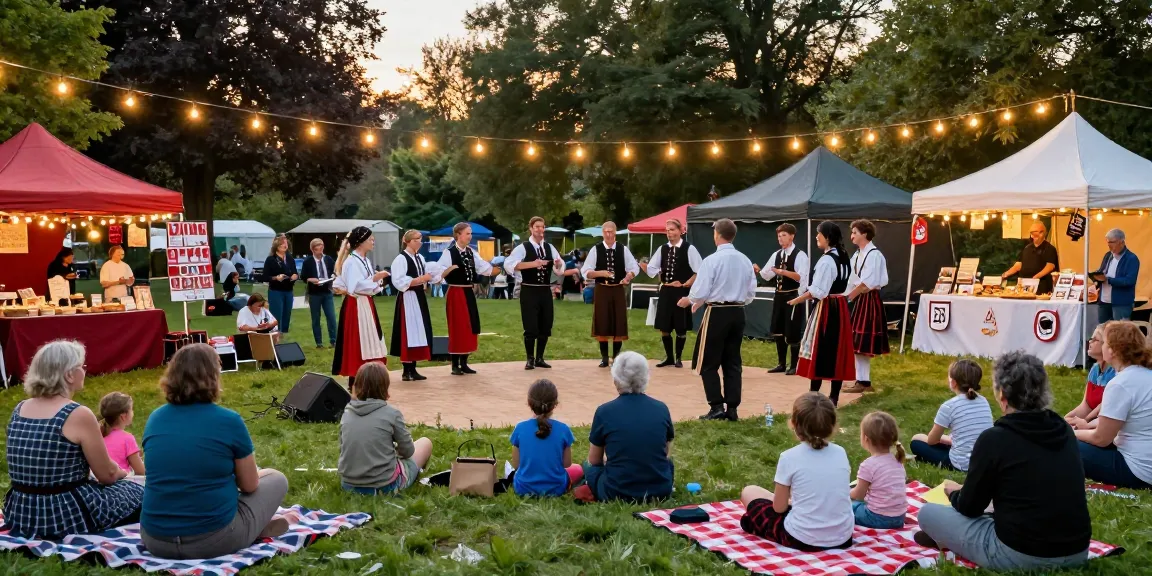
Cultural events encompass a wide range of activities, including festivals, art exhibitions, performances, workshops, and more. They often highlight local traditions, arts, and crafts, providing a space for communities to express themselves creatively. In Brittany, cultural events have evolved to include not just traditional music and dance but also contemporary art forms, thereby appealing to a wider audience.
The Role of Cultural Events in Community Building
The impact of cultural events extends beyond mere entertainment; they play a fundamental role in community cohesion. By bringing together individuals from various backgrounds and age groups, these gatherings foster a sense of belonging and identity. In regions like Rennes, the promotion of such events strengthens community ties, encouraging residents to engage with their local heritage and connect with one another.
Benefits of Attending Cultural Festivals
- Enhanced Cultural Appreciation: Attending cultural festivals allows individuals to gain a deeper understanding and appreciation of diverse traditions and practices.
- Networking Opportunities: These events provide a platform for local artists and community members to network, share ideas, and collaborate.
- Boost to Local Economy: Cultural events can draw tourists and visitors, thereby providing financial benefits to local businesses.
Key Elements of Successful Cultural Festivals
A successful cultural festival must be well-planned, engaging, and responsive to the community's needs. From the selection of artistic performances to effective promotion, each element plays a crucial role in the event's success.
Curation of Artistic Performances and Activities
Artistic curation is at the heart of any cultural festival. It involves selecting performers and activities that resonate with the audience while accurately reflecting local culture. In Bretagne, curators often blend traditional and modern art forms to appeal to a diverse crowd, ensuring that both heritage and innovation are celebrated.
Engagement with Local Communities
Engaging local communities in the planning process ensures that events are relevant and inclusive. By seeking feedback and involving community members, organizers can create experiences that truly reflect the collective identity of the area.
Effective Promotion Strategies for Cultural Events
Effective promotion is vital for attracting attendees. Utilizing social media, local press, and community bulletin boards can significantly enhance visibility. Additionally, partnerships with local businesses and organizations can provide mutual benefits, broadening the reach and impact of the event.
How to Organize a Cultural Event: A Step-by-Step Guide
Organizing a cultural event requires meticulous planning and execution. Here’s a guide to help navigate the process from conception to realization.
Planning the Logistics: Venue and Scheduling
Selecting the right venue and scheduling are critical to any successful event. Considerations should include accessibility, capacity, and ambiance. In Brittany, outdoor venues like parks are popular during warmer months, providing a scenic backdrop for cultural celebrations.
Gathering and Managing Volunteers
Volunteers are often the backbone of cultural events. Recruiting a passionate team can make the difference between a successful and lackluster experience. Training and clearly defined roles can empower volunteers to contribute effectively.
Measuring Engagement and Success Post-Event
Post-event evaluations are necessary to gauge success and gather insights for future improvements. Surveying attendees and analyzing attendance statistics can provide valuable feedback that drives future enhancements.
Challenges in Promoting Cultural Heritage through Events
While cultural events offer numerous benefits, they are not without challenges. Understanding these obstacles is essential for effective promotion and sustainability of cultural initiatives.
Addressing Community Misconceptions and Obstacles
Community misconceptions about cultural events can hinder participation. It’s essential to communicate the value of these events clearly, dispelling myths and encouraging involvement from all community segments.
Funding and Sponsorship Challenges
Securing funding can be a daunting task for organizers. To address this, forming partnerships with local businesses and applying for grants can provide necessary financial support while promoting local involvement.
Competing with Other Entertainment Options
In a world filled with diverse entertainment options, cultural events must distinguish themselves. Innovating and offering unique experiences can help draw larger crowds and maintain interest over time.
Future Trends in Cultural Events by 2026
Looking ahead to 2026, cultural events are likely to evolve and adapt to changing societal norms and technological advancements. Understanding these trends can help organizers remain relevant and impactful.
Impact of Technology on Cultural Festivals
Technology is reshaping the landscape of cultural events. From virtual reality experiences to live streaming, embracing technology can enhance attendee engagement and accessibility, allowing even those unable to attend in person to participate.
Shifts in Audience Preferences and Engagement
As younger generations prioritize experiences over possessions, cultural events must adapt their offerings to meet these preferences. Interactive and immersive experiences are likely to become more popular, appealing to the desires of a tech-savvy audience.
Examining the Sustainability of Cultural Practices
Sustainability is becoming increasingly important in event planning. Emphasizing eco-friendly practices, such as reducing waste and supporting local artisans, can enhance the cultural event's appeal and align it with the values of contemporary audiences.
Are Cultural Events Effective for Community Engagement?
Absolutely. Cultural events are among the most effective ways to engage communities, foster inclusivity, and celebrate diversity. By creating safe and welcoming environments, these events can significantly enhance social cohesion.
What Makes a Cultural Festival Successful?
Success hinges on thoughtful planning, community involvement, and effective marketing. Additionally, a focus on sustainability and adaptive programming can help festivals thrive even amid challenges.
How to Get Involved in Local Cultural Events?
Individuals can get involved by volunteering, attending, or even proposing new activities that reflect their interests and skills. Engaging with local organizations and social media groups can provide insights into upcoming opportunities.
What Are The Benefits of Supporting Local Artists?
Supporting local artists enriches the community by fostering creativity and economic growth. Events that promote local talent can lead to increased visibility and new opportunities for artists while enhancing the cultural landscape.
How Technology is Transforming Cultural Experiences?
Technology is enhancing cultural experiences by enabling innovative formats and broader accessibility. Tools such as social media for promotion and virtual platforms for participation are essential in today's cultural event landscape.
What Trends Should We Expect in Cultural Festivals?
Future cultural festivals will likely focus on inclusivity, sustainability, and technological integration. Organizers who embrace these trends will be better positioned to cater to evolving audience preferences.