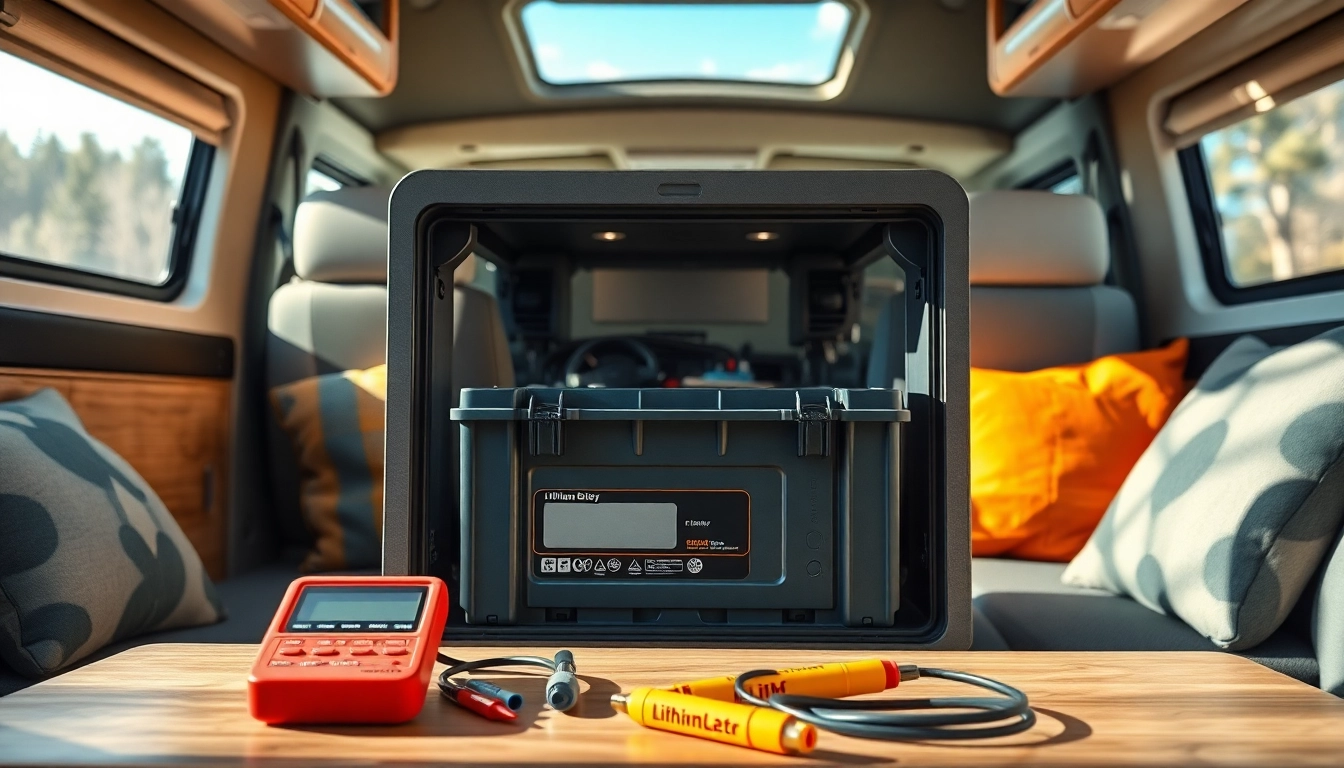
Understanding Lithium RV Batteries
What Are Lithium RV Batteries?
Lithium RV batteries are rechargeable batteries designed specifically for recreational vehicles, providing a reliable and efficient power source. Unlike traditional lead-acid batteries, lithium batteries utilize lithium iron phosphate (LiFePO4) technology, which enhances their efficiency and safety. These batteries are becoming increasingly popular among RV enthusiasts due to their lightweight nature, deep cycle capabilities, and longevity. By opting for lithium RV batteries, users can take advantage of cutting-edge battery technology that optimizes power usage while camping or RVing.
Benefits Over Traditional Batteries
Switching from traditional lead-acid batteries to lithium RV batteries comes with several distinct advantages:
- Longer Lifespan: Lithium batteries last significantly longer than lead-acid batteries, often exceeding 10 years with proper use and maintenance.
- Higher Usable Capacity: They provide more usable energy, allowing multiple devices to run simultaneously without the risk of depletion.
- Faster Charging: Lithium batteries can be charged much faster than their lead-acid counterparts, reducing downtime and increasing efficiency during trips.
- Lightweight: Weighing less enables RV owners to save on weight and improve fuel efficiency.
- Low Self-Discharge Rate: Lithium batteries experience minimal self-discharge, maintaining power over an extended period when not in use.
- Safety: LiFePO4 batteries have a stable chemistry reducing the risk of overheating and fires.
Key Features of Lithium RV Batteries
When considering lithium RV batteries, it's crucial to understand their key features that set them apart:
- Depth of Discharge (DoD): Lithium batteries can safely be discharged up to 80-90% without damaging the battery, compared to lead-acid batteries, which should not be discharged below 50%.
- Temperature Tolerance: Lithium batteries perform better in extreme temperatures, making them suitable for different climates.
- BMS Integration: Built-in Battery Management Systems (BMS) protect the battery from overload, over-discharge, and overheating.
- Cycle Life: These batteries support thousands of charge cycles, ensuring reliability over their lifespan.
- Compact Size: The space-efficient design allows for easier installation in various RV models.
Choosing the Right Lithium RV Batteries
Assessing Your Power Needs
The first step in selecting the correct lithium RV battery is to assess your power needs. Consider the following aspects:
- Total Energy Consumption: Calculate the total wattage of all devices you plan to run and how long you expect to use them daily.
- Charging Time: Determine how often you'll be able to recharge the battery, especially while on the road or at campsites.
- Backup Power Requirements: Factor in the need for extra capacity for unexpected power usage during your trips.
Factors to Consider for Compatibility
Ensuring compatibility is vital for safe and efficient use of Vatrer Power lithium RV batteries. Consider the following:
- Voltage Compatibility: Match the voltage of the battery to your RV's electrical system, typically 12V, 24V, or 48V systems.
- Charging System: Ensure your RV's charging system is compatible with lithium batteries, as some systems may require specific controllers.
- Physical Space: Check the dimensions of the battery to ensure it fits within your RV's existing battery compartment.
Comparing Different Sizes and Capacities
When selecting a lithium RV battery, consider the various sizes and capacities available:
- Ah Rating: Look for batteries with higher amp-hour (Ah) ratings for more extended usage between charges. Common ratings include 100Ah, 200Ah, and higher.
- Physical Dimensions: Choose a battery that matches available space in your vehicle, as some smaller RVs may have limited room for larger batteries.
- Weight Considerations: Optimize for weight savings by selecting a battery that provides the needed power without excessive weight.
Installation and Maintenance of Lithium RV Batteries
Step-by-Step Installation Guide
Proper installation of lithium RV batteries is essential for safety and performance. Follow these steps:
- Disconnect Power: Ensure all power sources are disconnected before beginning installation.
- Remove Old Batteries: Safely disconnect and remove any existing batteries from the compartment.
- Secure the Lithium Battery: Place the lithium battery in the designated compartment, ensuring stability.
- Connect Wiring: Follow the manufacturer's instructions to connect the positive and negative terminals correctly.
- Check Compatibility: Verify the connection with the RV’s electrical system and ensure everything is secure.
- Test Installation: Reconnect power and test all systems to ensure everything functions correctly.
Maintenance Tips for Longevity
To ensure longevity and performance from your lithium RV batteries, consider the following maintenance tips:
- Regular Monitoring: Keep an eye on charge levels and battery performance to detect potential issues early.
- Avoid Full Discharges: Regularly charge the battery before it fully discharges to prolong its lifespan and efficiency.
- Temperature Considerations: Store and operate the battery within recommended temperature ranges to avoid damage.
- Clean Connections: Periodically clean the terminals to prevent corrosion and ensure optimal connections.
Common Issues and Troubleshooting
Understanding common issues can help troubleshoot problems effectively:
- Battery Not Charging: Confirm charging connections, check the RV’s charging system, and inspect fuses.
- Overheating: Ensure the battery is not exposed to extreme temperatures or receiving too much current.
- Reduced Capacity: Monitor discharge patterns and avoid deep discharges to maintain capacity.
Cost Analysis: Are Lithium RV Batteries Worth It?
Initial Investment vs. Long-term Savings
While the initial cost of lithium RV batteries can be higher than lead-acid options, the long-term savings can offset this expense significantly. The extended lifespan and lower maintenance costs make them an economically viable choice for frequent RV users. In addition, their performance efficiency can lead to lesser reliance on external power sources, providing added convenience during trips.
Comparative Cost to Conventional Batteries
The comparison between the costs of lithium and lead-acid batteries is important. Although lead-acid batteries are cheaper upfront, they typically need to be replaced every 3-4 years, while lithium RV batteries can last 10 years or more under optimal conditions. This longer lifetime, along with reduced need for replacement, makes lithium batteries a cost-effective option over time.
Factors Influencing Overall Value
Factors influencing the overall value of lithium RV batteries include their durability, usability across various conditions, maintenance requirements, and compatibility with renewable energy systems like solar panels. Enhancing your RV's power system with lithium batteries generally improves overall performance and efficiency.
FAQs About Lithium RV Batteries
Are lithium batteries worth it for an RV?
Yes, lithium RV batteries offer a longer lifespan and higher usable capacity, making them a cost-effective choice for frequent users.
How long do lithium RV batteries last?
Typically, lithium RV batteries can last up to 10 years or more with proper care and maintenance practices.
Can I install lithium RV batteries myself?
Yes, with basic tools and a good understanding of safety guidelines, many RV owners can install 12V 300Ah Lithium Battery efficiently.
What size lithium RV battery do I need?
Your power needs dictate the size; calculate your total wattage requirements to find the appropriate amp hour (Ah) rating for your battery.
How do I extend the life of lithium RV batteries?
Regular maintenance, avoiding deep discharges, and employing proper charging techniques can significantly extend your batteries' life.