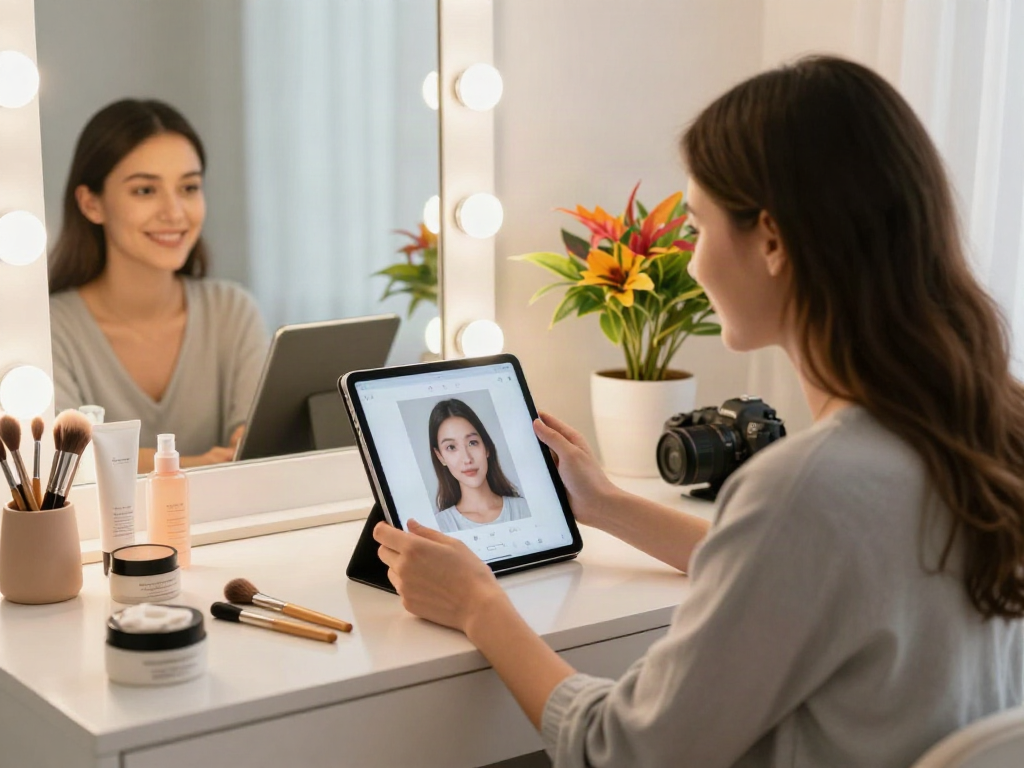
The Science Behind Attractiveness Testing
In recent years, the concept of assessing physical attractiveness has taken a data-driven approach, merging traditional beauty standards with advanced technology. A myriad of online tools, such as the test of attractiveness, utilize artificial intelligence to evaluate individual facial features against a backdrop of recognized aesthetic norms. Understanding the science behind these assessments helps demystify how attractiveness is perceived in different cultures and contexts.
What is a Test of Attractiveness?
A test of attractiveness is an analytical tool designed to gauge the appeal of a person's physical features. This evaluation often includes parameters such as facial symmetry, the golden ratio, and overall proportions. Many modern tests leverage AI technology to provide a more objective assessment, contrasting historical reliance on subjective opinion. These assessments can be as simple as scoring based on user-uploaded photos or as complex as algorithmic determinations involving hundreds of facial data points. Through these assessments, users can gain insights not only into their attractiveness but also into the characteristics that define beauty in their cultural context.
Understanding Facial Symmetry and Proportions
Facial symmetry has long been associated with physical beauty across a multitude of cultures. Studies have indicated that symmetrical faces are often perceived as more attractive, which is where AI comes in. It uses advanced algorithms to detect the degree of symmetry in a face by analyzing various geometrical landmarks. The golden ratio, another classical standard of beauty, has also been integrated into attractiveness tests. By measuring the relationships between facial features—such as the distance between the eyes or the length of the nose—these tests can provide a numerical attractiveness score that reflects historical aesthetics.
How AI Evaluates Your Attractiveness
Artificial intelligence (AI) has revolutionized the way we assess physical beauty. By employing facial recognition technology, AI can analyze numerous facial features concurrently and provide a comprehensive attractiveness score. This involves calibrated assessments of symmetry, harmony, and proportion, creating a more standardized measurement than traditional methods. The data collected also often reflects crowd-sourced ratings, creating a culturally inclusive database from which to derive attractiveness scores. As technology progresses, the accuracy and reliability of these AI evaluations continue to improve, providing users with increasingly nuanced insights.
Benefits of Taking an Attractiveness Test
Improving Self-Confidence Through Feedback
Receiving structured feedback from an attractiveness test can significantly boost individual self-esteem. Many participants report feeling more confident after understanding their unique beauty traits. The constructive criticism involved can help individuals appreciate their features more, which is often a more positive approach than anecdotal feedback from friends or family. Recognizing one's strengths can lead to enhanced self-image and motivate personal development.
Identifying Unique Features That Enhance Appeal
An attractiveness test does not merely focus on generic beauty standards; it also highlights unique attributes that contribute to one's attractiveness. For example, a more defined jawline or distinct cheekbones might stand out as particularly appealing in some individuals, while others may learn that their more unconventional features are equally attractive. This personalized feedback allows individuals to cultivate a sense of individuality in their beauty, encouraging authenticity rather than conformity to societal norms.
How Insight Can Inform Personal Grooming Choices
Understanding which features enhance appeal can lead to more informed personal grooming choices. For instance, if a test indicates that facial symmetry is a strong factor for attractiveness, an individual might opt for makeup techniques that emphasize this aspect. Similarly, feedback might suggest certain hairstyles that better frame the face or enhance desirable features. By aligning grooming practices with scientifically backed insights, individuals can feel more empowered and make decisions that bolster their self-image.
Challenges and Misconceptions
Common Mistakes in Submitting Photos
One of the common pitfalls when using attractiveness tests is submitting low-quality or poorly lit photos. Factors such as lighting, angle, and image resolution can drastically skew results. Users should ensure they provide clear, well-lit photographs, ideally taken from a frontal angle. Moreover, some users might assume their attractiveness score reflects their worth or desirability, which is a misconception. Understanding that attractiveness is multifaceted and subjective is crucial for managing expectations.
Understanding the Limitations of AI Analysis
While AI provides a systematic approach to beauty assessment, it is essential to acknowledge its limitations. For example, AI may not capture the full essence of an individual's attractiveness since it often relies on aesthetic data drawn from a specific cultural context. Furthermore, these tools may struggle with diverse beauty standards that do not conform to mainstream ideals. Users should be aware that an attractiveness score is just one aspect of their overall self-perception.
What Attractiveness Scores Really Indicate
An attractiveness score serves as a numerical representation of certain perceived qualities but does not encompass the entirety of a person's worth or appeal. Factors such as personality, intellect, and kindness play significant roles in how an individual is perceived in social contexts. Therefore, it is crucial to view these scores as tools for self-reflection rather than definitive judgments of beauty.
Real-World Applications of Attractiveness Tests
Using Attractiveness Scores in Personal Branding
In a world increasingly driven by personal branding, understanding one's attractiveness score can be a strategic asset in building a public persona. Whether for social media influencers or professionals seeking to enhance their image, personal insights from attractiveness tests can guide choices in imagery, presentation, and even attire to align with one's perceived strengths. By leveraging these insights, individuals can enhance their attraction factor to better engage their target audiences.
Impact on Dating and Social Interactions
Attractiveness tests can directly influence dating and other social interactions. Understanding one's perceived attractiveness can help individuals approach dating with a clearer mindset. Users can utilize their scores to gain confidence in dating scenarios, understanding their strengths and how to leverage them. Furthermore, they may become more aware of the perceptual biases surrounding attractiveness and how first impressions can shape social dynamics.
Success Stories: Transformations After Testing
There are numerous documented cases where individuals have reported transformative experiences after taking an attractiveness test. These stories range from individuals who improved their self-esteem and confidence to those who made significant lifestyle changes based on the feedback received. For example, a person who learned their facial symmetry was above average might choose to pursue acting, modeling, or other public-facing careers that were previously considered out of reach. Such stories underscore the profound psychological impact these tests can have.
Future Trends in Attractiveness Research
Emerging Technologies in Beauty Assessment
As we move further into the digital age, emerging technologies are poised to enhance the way we evaluate beauty. Developments in augmented reality (AR) and virtual reality (VR) may offer users a more immersive experience, allowing them to visualize the implications of potential grooming changes in real-time. Additionally, advancements in machine learning will likely refine AI models, enabling them to deliver even more personalized and accurate assessments.
Predictions for Attractiveness Testing in 2026 and Beyond
Looking ahead, the landscape of attractiveness testing is expected to evolve significantly. By 2026, we may see AI tools that not only analyze physical features but also incorporate personality assessments to present a holistic view of attractiveness. Furthermore, societal movements increasingly embracing diversity will push attractiveness assessments to encompass a broader array of beauty standards, ensuring that beauty is celebrated in all its forms.
How Culture Influences Attractiveness Standards
Cultural influences play a decisive role in shaping perceptions of beauty. What may be considered attractive in one culture could differ vastly in another. As global connectivity continues to rise, we can expect to see more cross-cultural exchanges impacting beauty standards. As a result, attractiveness tests will likely need to adapt to these evolving standards, ensuring that they remain relevant in a diverse, interconnected world.
What is the reliability of AI attractiveness tests?
The reliability of AI attractiveness tests hinges on the amount and diversity of data these models are trained on. While many AI systems are designed to be objective, cultural biases present within their training sets can affect outcomes. Thus, it is essential to approach results with an understanding of their limitations and the context in which they were generated.
Can attractiveness scores really boost confidence?
Yes, attractiveness scores can indeed boost confidence, particularly when they provide constructive feedback that aligns with an individual's self-perception. Many people find validation in receiving a positive score, which can lead to increased self-acceptance and motivation to enhance their appearance or adopt healthier lifestyles.
How should I prepare my photo for a test of attractiveness?
To prepare your photo for an attractiveness test, ensure that the image is high-resolution, well-lit, and captures your face clearly. Avoid filters or excessive editing, as this can distort the results. Ideally, take the photo in natural light, facing the camera directly, without obstructions in the frame.
Are there any ethical considerations in attractiveness testing?
Ethical considerations in attractiveness testing include respecting individual privacy and ensuring that AI models do not perpetuate harmful stereotypes. Developers must strive to create inclusive and culturally sensitive tests that recognize the diversity of beauty standards rather than imposing a singular definition of attractiveness.
What trends are shaping the future of beauty standards?
Emerging trends shaping future beauty standards include a growing acceptance of varied body types, the influence of social media in promoting authenticity, and a focus on inner beauty attributes. As these trends continue to evolve, they will likely reshape the algorithms used in attractiveness tests, ensuring they remain reflective of contemporary values.