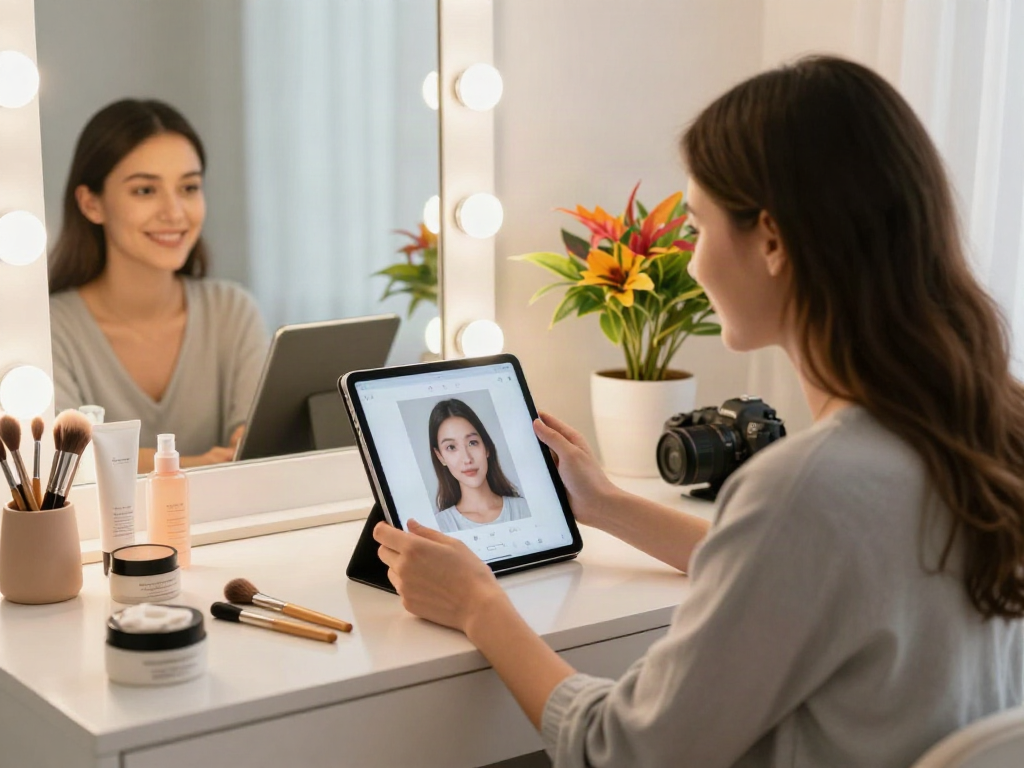
Understanding Facial Age Perception
Age perception is a complex interplay of biological, psychological, and social factors. When we ask ourselves, "how old do I look?", we’re delving deep into how our facial features, expressions, and even lifestyle choices present ourselves to the world. This query not only serves curiosity but also highlights the societal values placed on youth and age. In this article, we’ll explore the nuances of age perception, how it is influenced by various factors, and what it means for individuals in today’s visually driven society. When exploring options, how old do I look provides comprehensive insights into this fascinating topic.
What Does It Mean to Look Your Age?
Looking your age can vary significantly from person to person, depending on several factors including genetics, skincare habits, lifestyle choices, and even stress levels. People often associate various physical characteristics with certain age groups—wrinkles, skin texture, and hair color are commonly thought to be indicators of aging. However, the subjective nature of age perception means that two people the same chronological age can appear vastly different. This subjective perception plays a crucial role in how individuals navigate their personal and social lives.
Factors Influencing Age Perception
- Genetic Makeup: Genetics significantly contribute to how we age. Some people may inherit traits that grant them a youthful appearance while others may not.
- Lifestyle Choices: Factors such as diet, exercise, sleep, and smoking can dramatically influence how old someone appears. Healthy habits tend to preserve youthful features.
- Skincare Routine: The regular use of sunscreen, moisturizers, and anti-aging products can mitigate the effects of aging on the skin.
- Emotional Well-being: Stress and mental health can manifest physically, often leading to premature aging signs.
- Social and Cultural Influences: Different cultures have varying perceptions of age and beauty, which can affect how one perceives themselves and others.
The Role of Cultural Differences in Age Assessment
Cultural perceptions of age can significantly affect how people feel about aging. In some cultures, aging is respected and valued, while in others, youthfulness is held in high esteem. This cultural framework shapes our self-image and impacts the way we present ourselves. Understanding these cultural nuances can help in appreciating the diverse ways in which age is perceived around the world.
The Science Behind Age Estimation
With advancements in technology, the art of age estimation has transformed into a precise science. Artificial intelligence (AI) and machine learning algorithms analyze facial features to determine perceived age by comparing them against vast datasets of human faces. This technology provides a unique glimpse into how others might perceive our age.
How AI Analyzes Facial Features
AI-powered age estimation tools utilize complex algorithms to evaluate specific features of a face, such as the presence of wrinkles, skin texture, and facial proportions. By training these algorithms on millions of images, they learn to identify patterns that correspond to certain age groups, providing users with an estimated age based on their photographs.
Common Misconceptions About Age Calculation
One of the prevalent misconceptions regarding AI age estimators is that they can provide a definitive answer about one’s biological age. In reality, these tools offer estimates based on observable traits that may not account for individual lifestyle factors or medical history. Therefore, while they can be fun and engaging, they should be viewed as informal assessments rather than precise measurements.
Technological Advances in Age Estimation for 2026
As we look toward the future, further developments in AI technology promise to enhance the accuracy of age estimation tools. Innovations such as facial recognition technology, augmented reality, and even biometric data analysis are expected to refine how these applications work, making them more user-friendly and precise. With the inclusion of more diverse datasets, tools will likely become better at accounting for different ethnic backgrounds and aging patterns.
Popular Tools and Apps for Age Estimation
The market for age estimation tools has exploded in recent years, offering individuals various options to engage with the concept of age perception. These applications provide a fun and interactive way to explore how someone might be perceived based on their visual features.
Leading Applications Analyzing How Old Do I Look
Some of the most prominent age estimation tools include:
- FaceAge.ai: A web-based tool that uses AI to analyze uploaded photographs for an estimated age.
- Fotor's Age Guesser: An easy-to-use platform that provides a straightforward analysis of uploaded images without any sign-up required.
- BeautyPlus: This mobile app provides instant age guessing based on facial recognition technology, making it accessible for everyday use.
- Longevity Germany's Face Age Calculator: Offers both an online estimation and a live scan mode, incorporating the latest in AI technology.
Comparing Features and Accuracy of Age Guessers
When comparing these tools, it is important to look at several factors including user interface, accuracy of results, and privacy policies. Reviewers often cite differences in the accuracy of facial age predictions, with some applications performing better than others due to their underlying datasets and algorithms.
User Experiences and Reviews on Age Estimation Apps
User experiences with these applications vary widely. While some users find the results amusing and enlightening, others express skepticism regarding the accuracy of the predictions. It's crucial to approach these tools as entertainment rather than absolute truth, as personal perceptions and experiences play a significant role in one’s self-image.
Implications of Looking Younger or Older
How we perceive age can have profound implications on various aspects of our lives, from personal relationships to professional opportunities. The desire to appear younger or older can shape decisions about appearance, health, and even social interactions.
How Age Perception Affects Personal and Professional Life
Aging perceptions can influence how individuals are treated in social settings and workplaces. Younger individuals may be viewed as more energetic and open to new ideas, while older individuals are often regarded with respect and authority. Understanding these biases can help individuals navigate their personal and professional relationships more effectively.
The Psychology of Youthfulness: Benefits and Drawbacks
While looking younger can have its perks, including increased social opportunities and boosted self-esteem, it can also lead to preconceived notions that one's abilities or expertise are lacking. Striking a balance between maintaining a youthful appearance and being recognized for one’s experience is crucial.
Social Media Influence on Age Representation
Social media profoundly affects age perception, with users increasingly sharing images that highlight youthfulness. The constant comparison to curated online images can distort one's view of aging, leading to unrealistic expectations and pressures around appearance. Cultivating a healthy self-image amidst these influences is essential for long-term well-being.
Future Trends in Age Estimation Technology
As age estimation technology continues to evolve, it opens up new avenues for understanding age perception and its implications. Innovations in AI suggest exciting possibilities for more personalized experiences in various industries, from beauty to healthcare.
Predictions for AI Innovations in 2026
By 2026, we can expect age estimation technologies to become even more sophisticated, incorporating multi-dimensional analyses that factor in emotional expressions, health indicators, and lifestyle habits. This multi-faceted approach could provide a deeper understanding of aging beyond mere visual appearance.
Ethical Considerations for Age Estimation Technologies
With advancements come ethical dilemmas, particularly regarding privacy and data security. It is crucial for developers and users to consider how age estimation data is collected, stored, and utilized. Establishing clear guidelines will be necessary to ensure a responsible approach to this technology.
Preparing for a Future with Advanced Age Analysis
As we move toward a future where age analysis becomes commonplace, it is essential for individuals and organizations to understand its potential impacts. Continuous learning and adaptation to these technologies will empower users to leverage insights effectively while safeguarding their personal identities.
What is the best age estimation app?
Determining the best age estimation app largely hinges on individual preferences and specific needs. Users should consider factors like ease of use, accuracy, and reliability when selecting an app that suits their desires.
How accurate are AI-based age guessers?
While AI-based age guessers can provide intriguing insights, it’s important to remember that they are based on statistical patterns and may not account for unique personal attributes. Their accuracy can improve with advancements in technology and larger datasets.
Can looking younger impact job prospects?
Yes, studies suggest that perceived youthfulness can affect job prospects, as younger-looking candidates may be seen as more adaptable or energetic. However, this perception can also challenge the recognition of individuals’ experiences and skills.
What cultural factors influence how old do I look?
Cultural standards of beauty and aging can greatly affect perceptions of age. In some cultures, aging is honored, while in others, it may be stigmatized, influencing how individuals view themselves and others.
How will technology change age estimation in the future?
As technology evolves, the efficacy of age estimation algorithms will improve, allowing for more precise and individualized assessments of age. Integration with other biometric measurements may also provide a more comprehensive understanding of aging.