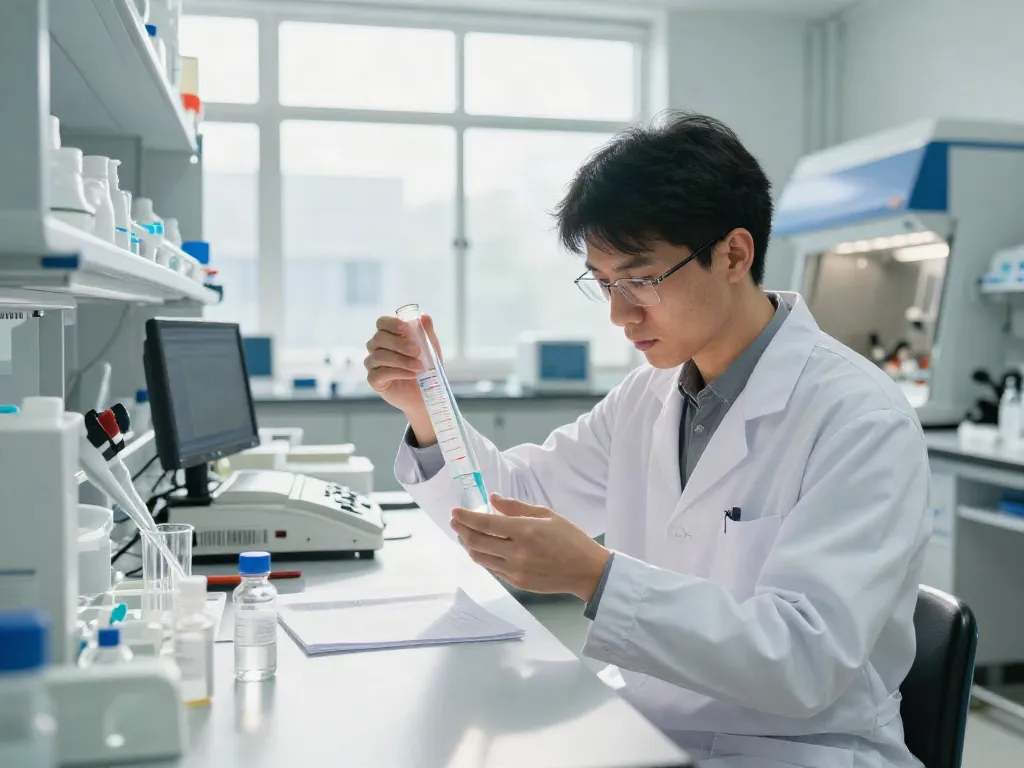
Introduction to Research Peptides
Research peptides have become crucial elements in the scientific exploration of human health, aiming to unlock various biological mechanisms. These small chains of amino acids offer insights and potential therapeutic applications across a wide spectrum of medical fields. Among them, ghk cu stands out due to its promising effects on wound healing, skin rejuvenation, and more. In this article, we delve into the intricacies of research peptides, focusing particularly on GHK Cu, its role, benefits, and the ongoing trends in peptide research.
Defining Research Peptides
Research peptides are short sequences of amino acids linked by peptide bonds. Generally consisting of fewer than 50 amino acids, they are synthesized to mimic the natural signaling molecules in the body. As therapeutic agents, they have the capacity to regulate complex biological processes including inflammation, cell growth, and regeneration. Their specificity and potency make them attractive candidates for drug development.
Importance of Peptide Research
The importance of peptide research cannot be overstated. With the potential to treat a variety of conditions from metabolic disorders to fitness enhancement, peptides are being explored vigorously. They offer a unique avenue for targeted therapy, often with fewer side effects compared to traditional pharmaceuticals. The versatility in application also means that ongoing research can lead to groundbreaking medical advancements.
Applications in Science and Medicine
Research peptides are utilized in various domains including dermatology for skin healing, endocrinology for hormone regulation, and immunology to enhance immune responses. Their applications are continually expanding as studies uncover novel mechanisms of action, revolutionizing fields such as regenerative medicine, cancer treatment, and even psychological disorders.
Understanding the Role of GHK Cu
GHK Cu, a copper-peptide complex, has garnered attention for its multifaceted benefits. Its role in promoting tissue repair, regulating cellular processes, and enhancing skin health makes it a valuable research peptide.
Chemical Structure and Properties
GHK Cu comprises a sequence of three amino acids: glycine, histidine, and lysine, bonded with a copper ion. This unique structure allows GHK Cu to engage with various biological pathways effectively. The presence of copper not only plays a role in skin health but also influences collagen synthesis, making it pivotal in tissue regeneration.
Mechanism of Action
GHK Cu operates via several mechanisms. It binds to specific cell receptors, influencing gene expression associated with tissue repair and regeneration. It enhances cellular communication, encourages collagen and elastin production, and exhibits antioxidant properties. Moreover, its ability to modulate inflammation proves beneficial in therapeutic scenarios.
Potential Benefits in Health
The potential health benefits of GHK Cu are vast. It has been shown to accelerate wound healing, reduce the appearance of scars, and improve skin elasticity. Additionally, GHK Cu exhibits capabilities in reducing hair loss and promoting hair growth. Its anti-inflammatory effects make it a candidate for treating various skin conditions, showcasing its relevance in the health and wellness sectors.
Comparative Analysis: GHK Cu vs. Other Peptides
Understanding how GHK Cu compares to other peptides provides essential insights into its unique characteristics and applications in research.
Similarities with Other Research Peptides
Similar to other research peptides, GHK Cu operates on a biological level to initiate specific cellular responses. Like many peptides, it enhances signaling pathways and promotes physiological activity. However, its copper-binding capability sets it apart in terms of cellular influence.
Unique Features of GHK Cu
What distinguishes GHK Cu from its counterparts is its specific affinity for copper. This copper ion interaction significantly enhances its bioactivity. Unlike many peptides, GHK Cu has profound implications for skin health and regeneration. Its ability to penetrate cells and promote gene expression tailored for healing makes it uniquely powerful.
Performance Metrics in Research
Various studies have evaluated the efficacy of GHK Cu against benchmarks established by other peptides. Clinical trials have shown significant improvements in skin elasticity, wound healing time, and scar reduction when applied topically, outpacing traditional treatments. This performance underscores the peptide's potential as a viable alternative in regenerative therapies.
Current Trends in Peptide Research
The field of peptide research is rapidly evolving, especially with advancements in peptide synthesis and therapeutic applications. Continued exploration is crucial for unlocking further benefits.
Emerging Technologies in Peptide Synthesis
New methods in peptide synthesis, such as solid-phase peptide synthesis, enable more efficient production of complex peptides like GHK Cu. Innovations including automated synthesizers and optimization of reaction conditions are paving the way for consistent and scalable peptide production, crucial for clinical applications.
Future Research Directions
Future research directions in peptide science concentrate on personalized medicine approaches. The potential to customize peptide treatments based on individual genetic profiles could lead to enhanced therapeutic efficacy. Additionally, the exploration of novel combinations with other active compounds may yield synergistic effects, enhancing overall treatment outcomes.
Collaborative Efforts in the Field
Collaboration among researchers, industry, and healthcare professionals is vital for advancing peptide research. Multi-disciplinary efforts not only enhance the pace of discovery but allow for the integration of diverse expertise into peptide therapy development, ultimately benefiting patients.
Frequently Asked Questions
What is GHK Cu used for?
GHK Cu is primarily used for its wound healing, skin rejuvenation, and hair growth promotion properties, making it valuable in dermatology and cosmetic applications.
How is GHK Cu administered?
GHK Cu can be administered topically in creams and serums or through injections under the supervision of a healthcare professional for targeting specific areas.
Can GHK Cu be safely combined with other peptides?
Yes, GHK Cu can often be combined with other peptides to enhance or complement their effects, but it is advisable to consult a medical expert before doing so.
What are the side effects of GHK Cu?
GHK Cu is generally considered safe, with minimal side effects. Some individuals may experience temporary irritation or allergic reactions, which should be monitored.
How is GHK Cu different from other peptides?
GHK Cu's unique copper-binding properties enhance its regenerative capabilities, making it particularly effective in skin health and tissue repair compared to many other peptides.