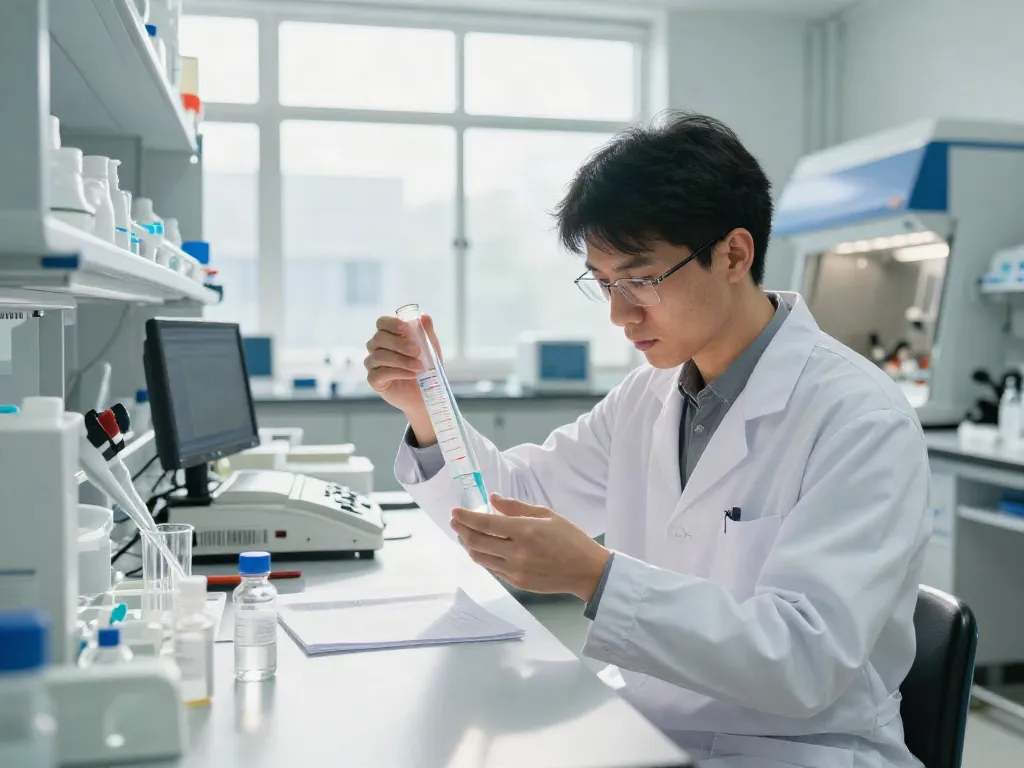
Introduction to Research Peptides
Research peptides play a crucial role in understanding various biological processes, therapeutic developments, and innovative medical treatments. A specific area of interest within this field is focused on peptides like ghk cu, which has garnered significant attention due to its unique properties and potential applications. This article will delve into the structure and functionality of GHK Cu, its benefits, challenges, and how it compares with other research peptides, ultimately outlining the future directions of peptide research.
What are Research Peptides?
Research peptides are short chains of amino acids that play a pivotal role in cellular signaling and communication. They are composed of two or more amino acids linked together by peptide bonds, forming a unique sequential structure essential for their physiological functions. These peptides have a diverse range of functions and applications, including the modulation of immune responses, enhancing cellular repair, and even offering therapeutic benefits in treating diseases.
Historical Overview of Peptide Research
The study of peptides dates back several decades, originating from the need to understand protein structures and their functions in living organisms. Early research paved the way for the identification of active peptide sequences that could influence biological processes. Over time, advancements in analytical techniques, such as mass spectrometry and nuclear magnetic resonance, have propelled peptide research into new domains, enabling scientists to synthesize and analyze peptides with higher precision.
Importance in Biochemical Studies
Research peptides are essential tools in biochemical studies, serving as biomarkers for diseases, therapeutic agents, and research reagents. They facilitate the investigation of complex biological systems, allowing researchers to examine cellular mechanisms, understand pathophysiology, and develop new treatment strategies. The inability to mimic peptide functionality in traditional pharmacological mechanisms emphasizes the importance of peptides in modern biochemistry.
GHK Cu: A Key Player in Peptide Research
Understanding GHK Cu’s Structure and Function
GHK Cu, a naturally occurring tripeptide consisting of glycine, histidine, and lysine, is known for its strong affinity for copper ions, which enhances its biological activity. Its structure allows for interaction with various cell receptors, triggering a cascade of healing processes. Research has shown that it plays a significant role in wound healing, tissue repair, and skin rejuvenation, underscoring its potential as a therapeutic agent.
Mechanisms of Action in Biological Systems
GHK Cu exhibits its biological effects through several key mechanisms. It is known to promote the synthesis of collagen, glycosaminoglycans, and other essential proteins in the skin and connective tissues. Furthermore, it enhances antioxidant activity and modulates inflammation, thus supporting various physiological functions. By activating certain genes involved in repair processes, GHK Cu stimulates the regeneration of damaged tissues.
Applications of GHK Cu in Medical Research
The applications of GHK Cu in medical research are vast. It has shown promise in dermatology, where it is employed in formulations aimed at reducing scars and accelerating wound healing. Additionally, its anti-inflammatory properties have prompted studies assessing its viability in treating chronic inflammatory conditions. The exploration of GHK Cu in regenerative medicine signals a significant leap forward in therapeutic strategies, potentially offering solutions for a variety of health challenges.
Benefits and Challenges of GHK Cu
Potential Health Benefits of GHK Cu
GHK Cu brings forth numerous health benefits. Its role in collagen production supports skin elasticity and firmness, crucial for anti-aging applications. It also aids in reducing inflammation and oxidative stress, which are factors in many degenerative diseases. The peptide's ability to improve wound healing has practical implications for patients with diabetic ulcers, postoperative recovery, and dermatological disorders.
Challenges in GHK Cu Research
Despite its promising benefits, GHK Cu research faces several challenges. One major hurdle is the requirement for high-purity peptides for effective clinical applications. Additionally, the variability in peptide response among different patients necessitates personalized approaches to treatment. Furthermore, regulatory hurdles in approval processes for novel peptide therapies can slow down the integration of GHK Cu into clinical practice.
Current Studies and Findings on GHK Cu
Recent studies have increasingly validated the potential of GHK Cu in various therapeutic applications. Research findings suggest its effectiveness in accelerating skin repair and reducing viscoelasticity in aged skin. The ongoing clinical trials continue to explore its impacts on different medical conditions, including its role in neuroprotection and inflammation modulation, promising a future of revolutionary health interventions.
Comparative Analysis of Other Research Peptides
GHK Cu vs. Other Peptides
When comparing GHK Cu to other research peptides, its unique properties stand out. Peptides such as BPC-157 and Thymosin Beta-4 also play roles in tissue healing, yet GHK Cu's dual action as an antioxidant and copper chelator adds distinct benefits. Its ability to coordinate with metal ions enhances its potency in biological systems, making it a subject of extensive comparative research.
Unique Properties of GHK Cu Compared to Peptide Alternatives
GHK Cu's specificity for copper ions offers it unique therapeutic pathways that are not typically found in other peptides. This interaction not only amplifies the healing processes but also offers potential neuroprotective benefits absent in many peptide counterparts. This unique aspect opens avenues for targeted therapies in conditions where copper imbalance is a factor, further distinguishing GHK Cu in peptide research.
Research Trends in Peptide Studies
Current research trends are increasingly focusing on the multiplexing capabilities of peptides, with emphasis on their synergistic effects when combined with other compounds. The exploration of GHK Cu alongside other peptides may yield exciting findings, leading to enhanced therapeutic models. Additionally, the improved understanding of peptide mechanisms encourages a resurgence in interest toward protein-based therapies in a variety of fields, from oncology to regenerative medicine.
Future Directions in Peptide Research
Innovations in Peptide Synthesis
The evolution of peptide synthesis methods continues to push the boundaries of peptide research. Innovations such as solid-phase peptide synthesis and the use of automated synthesizers provide more efficient pathways to produce diverse peptides like GHK Cu at scale. Increased accessibility and customization in peptide synthesis reflect a promising future for personalized medicine and targeted therapies.
Potential New Applications for GHK Cu
Future investigations may unveil additional therapeutic avenues for GHK Cu, particularly in the realms of age-related degeneration and neurodegenerative disorders. As research progresses, the applications of GHK Cu may expand into unusual territories, including cancer therapies and chronic disease management, thereby revolutionizing how we understand and manage health.
Ethical Considerations in Peptide Research
The advancement of peptide research does not come without ethical considerations. As peptide therapies become more prevalent, issues surrounding fairness in access, potential misuse, and the natural sourcing of peptides must be addressed. The scientific community must advocate for responsible practices while ensuring that peptide research progresses in a socially responsible manner.
Frequently Asked Questions
What is GHK Cu?
GHK Cu is a naturally occurring peptide composed of glycine, histidine, and lysine, known for its role in tissue repair and anti-aging benefits.
How does GHK Cu promote healing?
GHK Cu promotes healing by stimulating collagen production, enhancing antioxidant activity, and modulating inflammatory responses in the body.
Are there any side effects of GHK Cu?
GHK Cu is generally well-tolerated, but individuals may experience mild irritation at the injection site or allergic responses in rare cases.
Can GHK Cu be used for skin care?
Yes, GHK Cu is often included in skin care products for its ability to improve skin elasticity, reduce wrinkles, and accelerate wound healing.
Where is GHK Cu research headed?
Future research on GHK Cu is focusing on its applications in neuroprotection, chronic inflammation management, and potential roles in regenerative medicine.